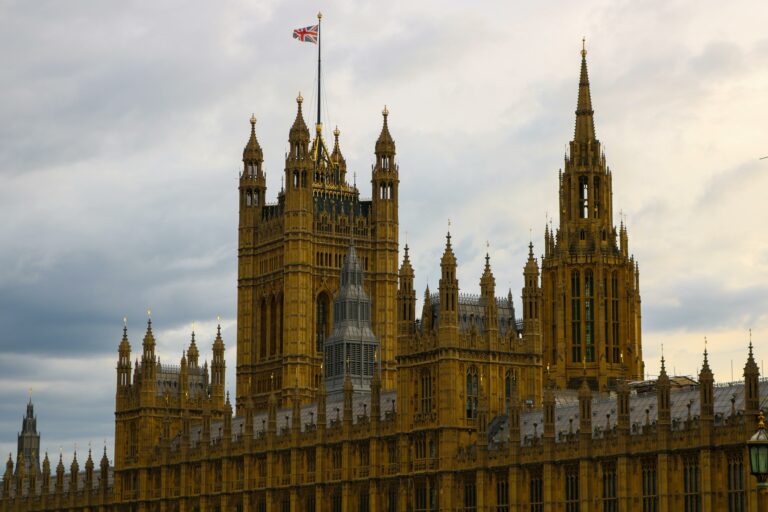
Tens of thousands of small businesses will no longer need to pay VAT after the registration threshold was raised by Chancellor Jeremy Hunt as he delivered the 2024 Spring Budget.
Other announcements included a freeze on alcohol and fuel duty as well as a headline 2p cut in National Insurance.
Furthermore, the UK economy could grow faster than previously predicted according to new figures published by The Office for Budget Responsibility (OBR). The OBR’s updated forecast predicts the UK economy will grow by 0.8% this year and 1.9% in 2025.
With this being the last scheduled Budget before the next general election, it was always likely the emphasis would be the impact on individuals and the amount of cash in their pocket.
However, there were some notable announcements that will directly impact UK business:
VAT registration threshold
Moving the VAT registration threshold up to £90,000 (from £85,000) will mean around 28,000 small businesses will now not need to pay VAT. It’s not as large a jump as some analysts had hoped but it means that businesses with a turnover of less than £90,000 may not have to pass VAT costs on to their customers. Most businesses can register for VAT, but if they’re under the threshold they may decide not to take on the associated extra administration and paperwork at this point in their journey. The changes take place from 1st April.
Freeze on alcohol duty
In a move that will be warmly welcomed across the hospitality sector, the Chancellor announced the extension of the alcohol duty freeze until February 2025. It would have otherwise risen by 3% across the range of applicable products. This will affect 38,000 pubs across the UK and will be a significant boost ahead of a packed summer of sport which includes the Olympics and the men’s Euro 2024 football tournament.
Fuel duty
Any business that relies on road transport directly or through its supply chain will welcome the 5p cut to fuel duty continuing for another year.
There were also measures introduced designed to boost green energy projects, attract more technology investment and to aid the continuing growth of the creative arts sector.
And the cut in National Insurance contributions by 2p in the pound is projected to be worth around £450 a year for an employee on an average salary of £35,000. It’s a positive move for the individual and of course the retail sector in particular – if consumers feel better off then that’s likely to have a direct impact on the high street and online.
These moves build on the announcements made in November’s Autumn Statement such as the small business multiplier freeze and the extension of the 75% discount on business rates. Significantly, the Chancellor set out an ambition for full expensing – the money businesses can claim back when investing in IT, machinery and equipment – to also apply to leased assets at some stage in the future.
Whilst welcoming the focus on SMEs in the Budget, the Federation of Small Businesses highlighted the range of challenges that business owners still face, particularly rapid rises in labour and input costs. Whilst Rain Newton-Smith, the Chief Executive of The CBI, said the Chancellor was right to keep his gaze fixed on the structural challenges facing the UK economy.
SMEs are the lifeblood of the UK economy and any change in fiscal policy will directly impact their prospects for the financial year ahead. Capify has backed small businesses for over 15 years and will continue to provide the support they need to make the most of the opportunities that arise.