The past few years have tested the resilience of hospitality businesses across the UK. Rising energy bills, wage pressures and customers managing their own cost-of-living challenges have made growth difficult. Many operators have focused simply on keeping doors open and teams stable. Yet moments occasionally arrive when external factors align to bring customers back in large numbers. Summer 2026 looks set to be one of those moments.
A packed calendar of global sport – led by the FIFA World Cup – creates a rare window where demand naturally increases. People want shared experiences, atmosphere and the sense of occasion that comes from watching live sport together. For pubs, bars, restaurants, hotels and multi-use venues, this creates a significant opportunity to increase footfall, build loyalty and strengthen revenue during what is traditionally one of the busiest seasons of the year.
At the centre of this sits football’s biggest tournament, and for many operators, effective World Cup preparations and hospitality strategies will make the difference not just during the tournament but also in the long term.
Download the 2026 Summer of Sport Hospitality Playbook for all the information and guidance you need to succeed – or read on to understand more about the opportunity that lies ahead.

The World Cup effect
World Cups consistently drive some of hospitality’s strongest trading days. England matches in particular transform ordinary evenings into national events, attracting both committed fans and casual viewers who rarely go out specifically for sport.
Scotland’s games are guaranteed to draw big crowds north of the border (and beyond), and there is a chance that Wales and Northern Ireland could make it through the play-offs, sending those countries football-mad.
The 2026 tournament offers an additional advantage. Hosted across North America, many fixtures will kick off late in UK evening hours. Rather than competing with daytime routines, matches will sit naturally within social time. Customers can finish work, meet friends and head straight to venues, creating longer trading windows and stronger food and drink sales throughout the evening. Check out the dates and times of key matches here.
Recent UK government licensing flexibility for Home Nation matches will allow many venues to stay open later for key matches. These extended hours, combined with late kick-offs, could turn midweek fixtures into some of the most valuable trading nights of the year.
For operators thinking about World Cup hospitality, this timing changes the dynamic completely. Instead of short bursts of activity, venues may see sustained evening trade that runs well beyond the final whistle. And with some matches not kicking off until 2am, there could be some long and profitable evenings.
A summer filled with sporting moments
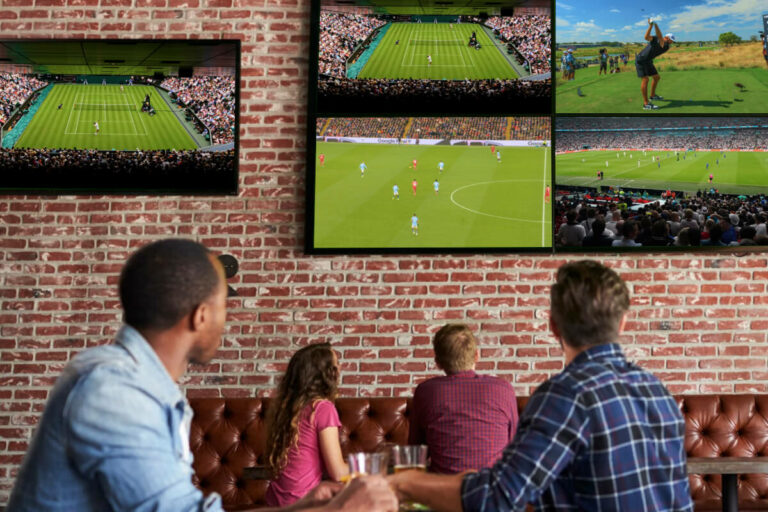
While football will dominate headlines, the wider sporting calendar helps maintain momentum across the season. Wimbledon draws broad audiences throughout early July, international cricket brings long viewing sessions and repeat visits, and classics such as The Open Championship attract diverse crowds. Events taking place within the UK will see localised trade of ticket-holding spectators, with Glasgow being a big beneficiary thanks to its hosting of the Commonwealth Games.
These events appeal to different demographics and viewing habits. Operators who promote a full calendar are more likely to build repeat custom.
Different venues, different opportunities
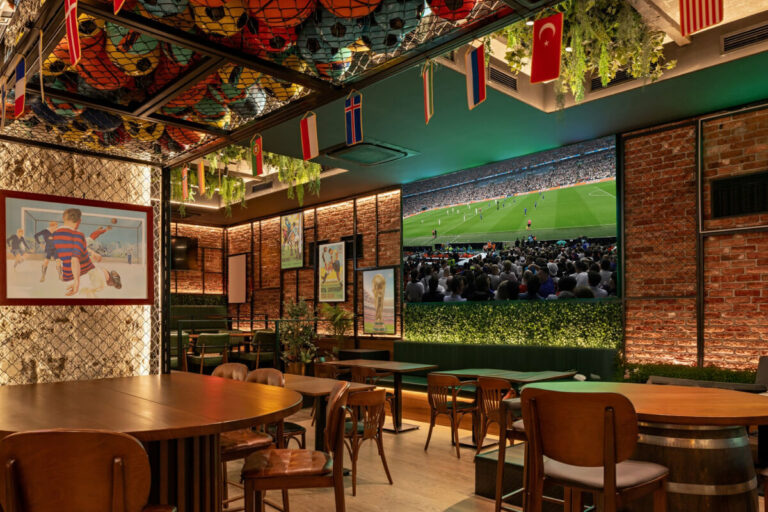
Pubs and bars remain the traditional home of live sport, and strong World Cup pub preparations can significantly increase revenue. Fast service, visible screens and confident staffing allow venues to handle peak demand while maintaining atmosphere. Group bookings and walk-in crowds often combine, meaning preparation around service flow becomes essential.
Restaurants and casual dining venues also stand to benefit. Increasingly, customers want to combine watching sport with a quality food experience. Venues that create dedicated viewing areas or offer simplified match-time menus can attract guests who might otherwise stay home.
Hotels are uniquely positioned during major tournaments. Guests travelling for work or leisure often prefer to watch matches in communal areas rather than alone in rooms, creating additional bar and lounge revenue. Well-promoted viewing spaces can turn overnight stays into full evening experiences.
Preparation creates the advantage
Make the most of the opportunity by preparing early. Planning should include ensuring you have the right staffing levels, ordering systems, stock and equipment. Ensure viewing areas are comfortable both indoors and outdoors. Marketing efforts do not need to be expensive, but they must be consistent. Clear messaging around kick-off times, bookings and menus helps customers choose your venue ahead of competitors.
This is when it may pay to invest in anything from screens and seating to the software and kit needed to keep the business running smoothly.
Thinking beyond the tournament
The most successful operators will treat the World Cup not as a short-term boost but as a catalyst. Improvements made to manage peak demand – better service systems, trained teams and upgraded spaces – often continue delivering value long after tournaments end.
Investment decisions should therefore be viewed through a longer lens. Changes that improve customer experience during summer sport can strengthen everyday trading throughout autumn and winter.
Summer 2026 presents a rare alignment of sporting excitement, favourable scheduling and extended trading potential. For hospitality businesses willing to plan ahead, it offers more than a busy few weeks. It offers the chance to rebuild momentum, attract new audiences and create habits that last well beyond the final match.
Download the Summer of Sport 2026 Playbook to explore practical guidance, preparation checklists and ideas to help your business make the most of this exciting opportunity.
Check your eligibility for funding to strengthen cash flow