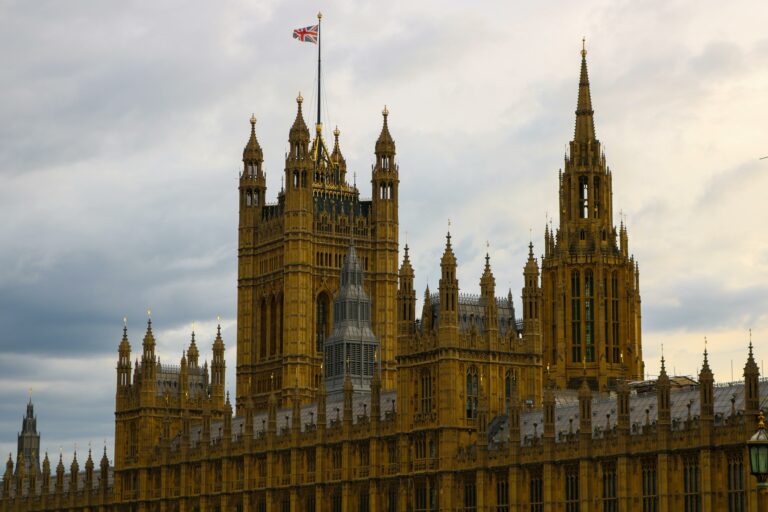
The Government have taken to parliament to share the 2026 Spring Statement, with many benefits and improvements highlighted for the economy. We’ve looked at what effects this will have on UK-based SMEs. The statement was intended as an interim economic update rather than an announcement of big tax changes or spending event. The Chancellor stressed stability and updated forecasts, with no specific tax changes or business measures. As a result, SMEs shouldn’t expect any significant, new business tax reforms this Spring; these are more likely to be introduced in the Autumn budget instead.
Economic Forecasts
Although there were no significant or specific tax announcements, the economic forecasts released alongside the Statement will still have practical implications, such as:
-
Growth forecasts were revised down to 1.1% in 2026
This slower growth can affect consumer demand, margins and increase competition for customers – this is particularly prominent in sectors like retail, hospitality and services.
-
Inflation expectations are lower
This can ease supply cost pressures over 2026-27.
-
Unemployment projections rose.
There’s an expected peak at the end of 2026, which can influence labour costs and recruitment planning.
These forecasts feed into wider decisions about interest rates, investment and hiring – all of which should be taken into consideration when planning changes to your SME business.
Cost Pressures Remain a Priority for SMEs
Recent research conducted ahead of the 2026 Spring Statement highlighted ongoing cost pressures for small businesses, with around 82% reporting costs rising over the past year.
Despite the Statement announcing economic growth and inflation declines, this doesn’t take into consideration the ongoing unrest in the Middle East. This may have a negative impact on energy bills similar to those seen when the war in Ukraine broke out.
This highlights the importance of:
-
- Cash flow planning
-
- Controlling overheads
-
- Forecasting wage and supplier costs
-
- Price reviews to maintain margins
Even without significant tax changes, the economic back drop should influence everyday SME decisions.
What Should SMEs Do Next?
As the 2026 Spring Statement was mainly stability-focused, there are numerous things that SMEs should be proactive with to get ahead:
Budgeting and Forecasting
-
- Revise forecasts following weaker GDP expectations
-
- Plan hiring decisions with potential unemployment trends in mind
-
- Keep a close eye on labour costs, including National Minimum Wage rises
Tax and Compliance Preparedness
-
- Ensure Making Tax Digital (MTD) systems are in place if required
-
- Prepare for higher Corporation Tax penalties from April
-
- Review directors’ loan accounts and profit expectation plans
Look Ahead to the Autumn Budget
-
- The Autumn Budget is where most tax changes affecting SMEs are likely to be introduced
-
- Engage with industry bodies or accountants ahead of the Autumn Budget to influence or plan for changes
In Summary
The 2026 Spring Statement was focused on economic context rather than new SME tax policies:
-
- No big tax cuts or spending measures announced
-
- Economic forecasts inform planning for growth, inflation and labour costs
-
- Existing tax changes from previous budgets will be in effect soon, it’s important to be prepared
-
- Most substantive SME tax changes are expected in the Autumn Budget
If the 2026 Spring Statement has given your business a need for a short-term loan, check your eligibility quickly and easily today.